
Plague of small ruminants - what should we know about it?
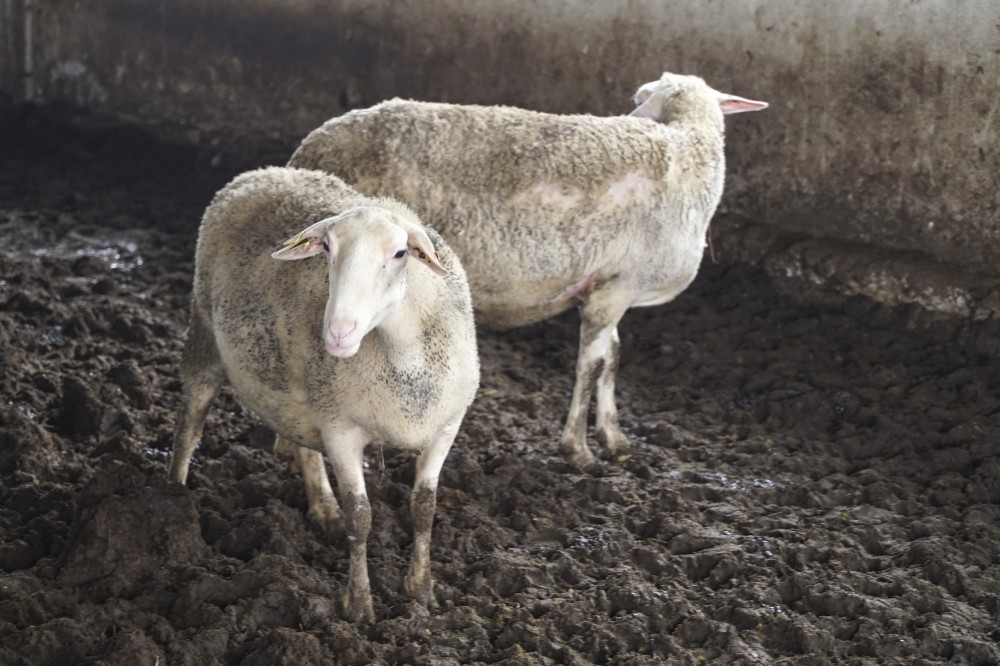
A case of small ruminant plague was registered in the village of Voden, municipality of Bolyarovo. In a zone of 10 kilometers from the registered case, a safety and observation zone has been announced for...
A case of small ruminant plague was registered in Voden village, Bolyarovo municipality. In a zone of 10 kilometers from the registered case, a protective and observation zone for veterinary control has been announced.
The disease was detected for the first time in Europe, and it is quite normal that it is first in our country, because we are the closest to the active outbreaks. The bad thing is that our vets are facing this disease for the first time, and now they will have to go above and beyond to rid us of it.
Plague of small ruminants - what we should know about it: – This is a highly pathogenic infectious disease of sheep and goats, characterized by high mortality. The disease is not contagious to humans.
Animals become infected through direct contact with sick ones. The most common way of infection is by inhalation of the virus through the aerogenous route. Feces, nasal secretions, and eyes are rich in viruses. Ingestion of food and water contaminated with them is also a possible way of infection. The incubation period is within 3 to 7 days. The disease begins with a sudden fever, with the temperature reaching 40-41°C. Affected animals are depressed and sleepy, their fur is bristling. A clear discharge begins to flow from the eyes, nose and mouth, which later becomes thicker and yellow as a result of secondary infection. The mucous membrane of the mouth and eyes reddens strongly. Two days after the fever stage, signs of diarrhea appear. The stools are soft and watery with a foul smell and may contain blood and pieces of dead intestinal tissue. Affected animals breathe rapidly, severely ill animals have difficult and noisy breathing and a mild painful cough. A cough is a sign of pneumonia. The disease continues with dehydration of the body and subsequent death 7 to 10 days after the appearance of clinical signs. A small proportion of infected animals recover after a long recovery period. There is no sure cure for the disease. It is possible to use antibiotics to avoid secondary infection. The only solution is to exterminate the animals. Sheep breeders in the nearby areas of the disease should constantly monitor their animals and, at the first suspicions of disease, immediately report to the veterinary authorities. Code red for these farms is now in effect.
When the disease is registered, the animals are killed immediately. All substances or waste that may be contaminated, such as feed, waste, manure or objects, are destroyed or processed in a manner that ensures the destruction of the disease virus