
Omega 3 increases the fertility of high-yielding animals
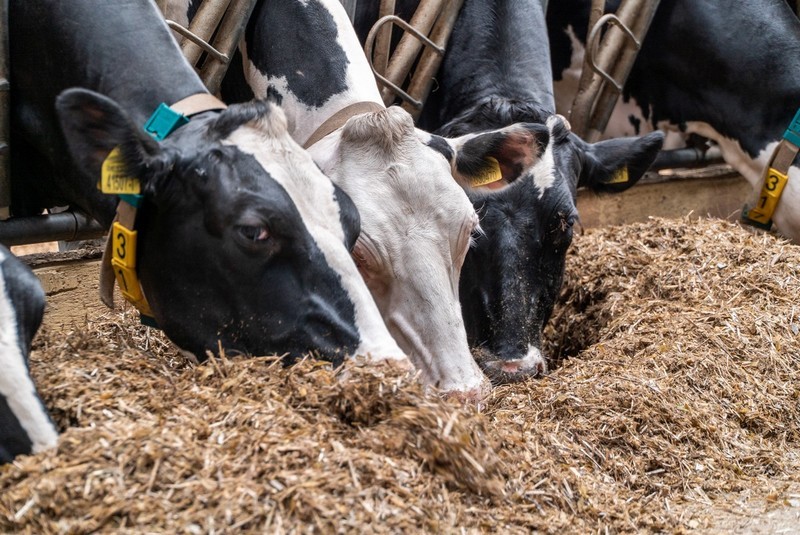
Practical experience shows that increased intake of Omega 6 fatty acids has a great impact on the reproductive health of high-yielding animals. Eating with…
Practical experience shows that the increased intake of Omega 6 fatty acids has a great impact on the reproductive health of high-yielding animals.
Feeding a specially balanced ration can change the ratio of omega-6 to omega-3 fatty acids in the animal's diet, which according to recent studies is of significant importance.
What makes it so important and what impact does it have on the health status of the animals?
Research shows that a favorable ratio of omega-6 to omega-3 fatty acids in animal nutrition protects against many inflammatory diseases. Research has shown an increase in fertility in dairy cows fed omega-3 polyunsaturated fatty acids. Fish oil has been found to reduce prostaglandin synthesis in the uterus, delay the formation of corpora lutea, and improve pregnancy rates in lactating cows.
Decreasing fertility in dairy cows is a serious problem for dairy farms. In dairy cows, fertility rates have been found to be between 75% and 80%. In heifers and beef cattle, the percentages are close to 95%. Negative energy balance after calving and heat stress negatively affect the follicle before ovulation and can impair egg quality, leading to low fertility. It is the intake of Omega 3 that can help solve this problem.
The new energy concentrate Vezra Mix® of the HL-TopMix company was developed precisely in this direction. One of its main ingredients - flaxseed is rich in Omega 3 fatty acids, which stimulate the production of a number of hormones, including progesterone, and thus improve the fertility and reproductive functions of farm animals.
How to provide Omega 3 Fatty Acids in your animals diet can be obtained in a free consultation from the nutrition experts at HL-TopMix by sending an inquiry to sales@hl-topmix.com or writing to us on Facebook at: TopMixLtd