
What care do fallow animals need during the winter period?
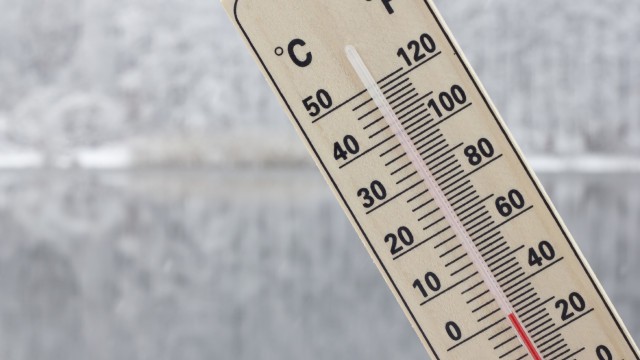
The snow cover and minus degrees are knocking on our doors! In this period, the manure type of farming of the farm animals necessitates an increase in the care of the animals. The environment,…
Snow cover and minus degrees are knocking on our doors! In this period, the manure type of farming of the farm animals necessitates an increase in the care of the animals. The environment in which they live is much more richly populated with microorganisms during the winter period than during the grazing period. Fortunately for farmers, this December allows the premises to be aired often, and the animals can even be taken outside for a few hours.
Unfortunately, the mild weather is expected to end and temperatures will drop below 7 degrees. From this moment on, it is good for farmers to strictly monitor the quality and quantity of fed fodder, the animal hygiene and technological factors of barns, as well as the quantity and quality of milk produced, advise experts from the Pleven agricultural advisory service.
The conditions of the environment in which the animals live is extremely important. Disregarding the hygienic conditions in the premises for rearing animals (ammonia-saturated air, hydrogen sulphide, carbon dioxide and urine vapors, and manure dung) are a critical factor. From which a series of troubles can be created. Here are the problems that this environment can bring:
-
The reproductive qualities of the animals are disturbed. In practice, it is not uncommon for the cows not to be driven away for a long period after calving, precisely for these reasons. Lack of drive naturally leads to infertility and loss of milk and offspring over time.
-
The quality of the milk deteriorates. Microorganisms that have got into the fresh and warm milk begin to multiply actively and in a short time damage the valuable qualities of the milk. Microorganisms in milk fall from dust in the air and water, animal feed, animal udder, milking units, dirty hands, milk containers. Harmful substances from the environment are also dangerous for the quality of milk. Harmful substances include antibiotics, pesticides and herbicides, nitrates, etc.
- Nutrition is an extremely risky factor during the winter period - insufficient feeding with feed poor in vitamins, micro- and macroelements, putting in frozen and moldy feed, are often the cause of abortions, a drop in milk yield with a slow recovery period and a number of other economic problems.
In order to avoid these effects, it is recommended to maintain daily good hygiene in the stables. To ventilate and clean. Movement and fresh air are extremely important for animals, so it is good to let them out in the yard. And as for feeding, depending on the category of animals, in addition to quality meadow and alfalfa hay, it is important to include in the rations quality juicy fodder, silage, beets, carrots, etc.
Source: Sinor.BG